Audio Without Borders
For the liberated ear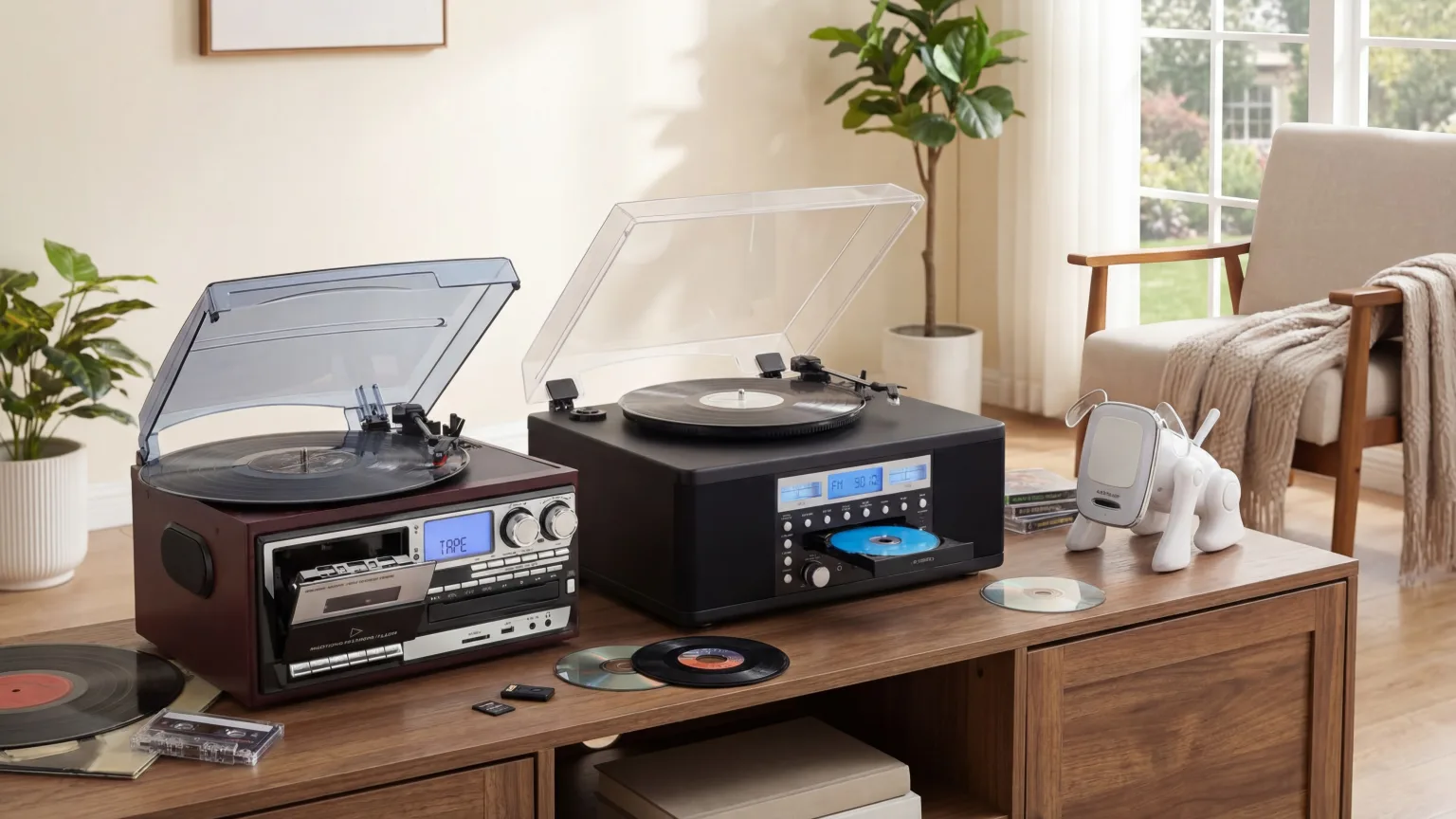
Why you should never dump your music collection again
Published
What’s the fastest-growing recorded music medium? No, not vinyl, and certainly not streaming. It’s the humble cassette. Music formats are immortal.
That’s right: U.S. cassette sales have increased more than eightfold since 2013. Granted, that’s from a small base, but the trend is undeniable, with more than 600,000 units sold in 2025. Major artists like Taylor Swift and Lady Gaga have joined the party, releasing their latest albums on tape.
I didn’t need a trend report to learn this. Several years ago, I sold a box of my old cassette tapes to a local record store. I got $20 for the lot, and I was surprised to get that. A week later, I checked the store’s used tape section and they’d almost all been bought by customers. Oh.
The turntable of life
I’d made the same mistake as all those '80s music lovers who sold off their vinyl albums and replaced them with CDs. Or those millennials who dumped their CD collections as streaming rose to dominance. We all assumed that the relative decline of those formats meant they were dead forever.
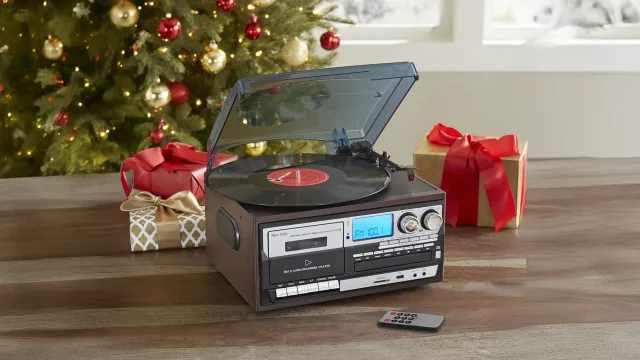
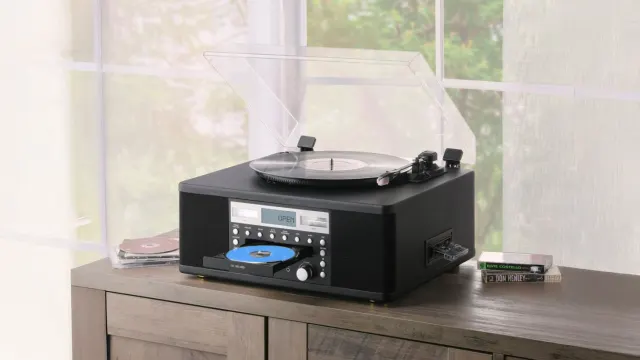
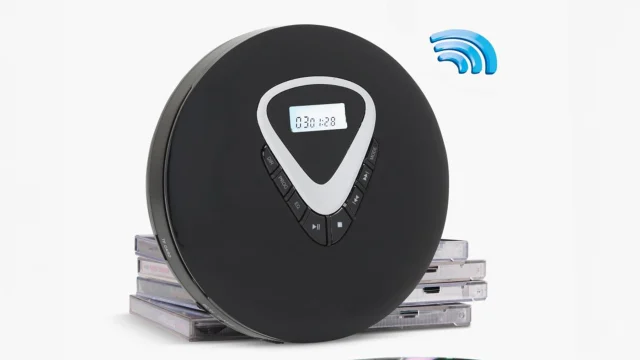
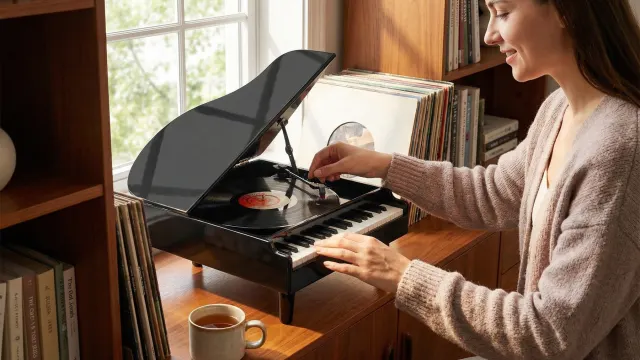
We were wrong. With music players that can play any format or convert your old music into new formats, there’s no reason to abandon any recorded music medium - and plenty of reason to hang onto your old discs and tapes.
The rebirth cycle goes something like this: a music format goes out of style. Cheap copies flood record stores and thrift stores. Young hipsters, short on cash, discover the archaic pleasures of that forgotten medium. Underground musicians increasingly release new recordings in that format. Mainstream artists take note of the format’s underground cachet and rising sales. Before you know it, major labels are back in the game, and that unwanted format is now a prestige item.
It happened with vinyl, it’s happening with cassettes, and it’s in the early stages of happening with CDs. Just a few years ago you couldn’t give used CDs away. Now used CD prices are nudging upward, and thrift store CD sections seem much more picked-over. Against LL Cool J’s advice, you might even call it a comeback.
Smell the memories
Now that music is easier than ever to find on streaming platforms, we’ve started to realize what’s irreplaceable when we dump our physical music collections: all the memories bound up with those objects.
I can still remember the little creaking sound my old tapes’ cases would make when opened, and the smell of the cardboard inserts, and looking through the box of tapes in my best friend’s car for something to listen to on the way to high school. It’s just not the same to punch them up on Spotify. (And there’s always the possibility that any album could disappear from a streaming service at any moment anyway.)
Years after journalist Eric Spitznagel replaced his vinyl with CDs, he missed his old records so much, he set out to track down as many of them as he could - not just other copies of the same albums, but the specific copies he’d owned and sold.
“Not duplicates. Not those reissues that smell like nothing I recognize,” Spitznagel wrote in his book Old Records Never Die, an entertaining chronicle of his quest to reassemble his old collection. “I wanted my records. My exact records. My literal exact records. I wanted them back.”
Of course, we can’t all spend years of our life tracking down the ones that got away. But these days, there’s no reason to ever get rid of them in the first place. And if you’re just getting started building - or rebuilding - a physical music collection, there’s no reason to limit yourself to just one format. Pick up whatever version you can find and pop it into a multi-format player. Who knows? Someone else’s thrift-store castoff might carry a priceless memory for you someday.