Wearable Relief
Your body will thank you for the support.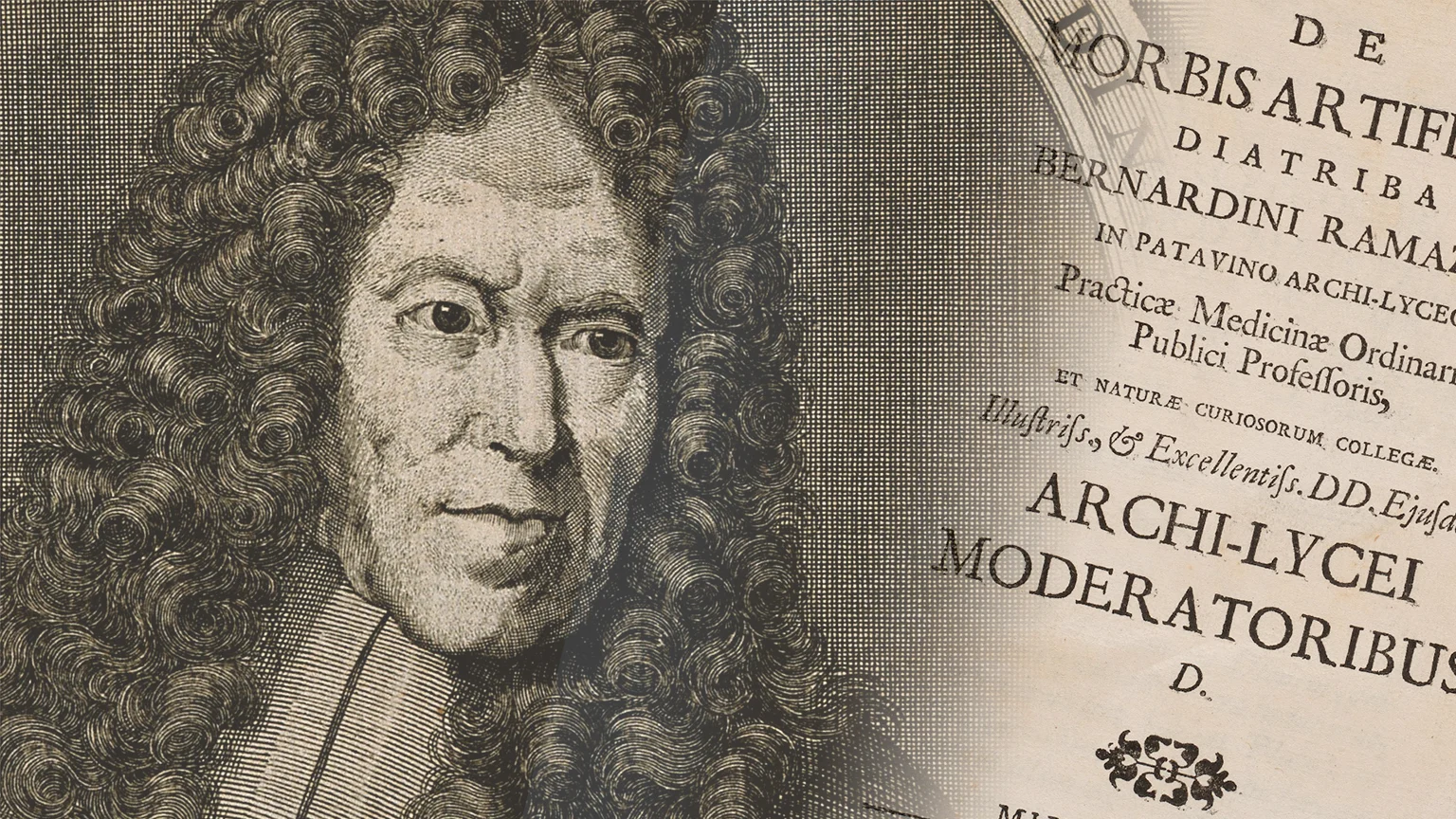
The Renaissance doctor who explained your aches and pains
Published
In the year 1700, Italian physician Bernardino Ramazzini noted that “those who stand all day long, such as Carpenters, Coopers, Sawers, Ingravers, Blacksmiths, Bricklayers, and many others” often suffered from musculoskeletal discomfort. He was onto something.
Just as stone can be shaped by a single volcanic eruption or a million years of trickling water, repetition can be just as injurious to the human body as a sudden blow. And the tiniest misalignment or lack of support can add up to some serious damage, as medical science has spent the last few hundred years figuring out.
“Restore the Spring of the Parts”
In his Dissertation on Workers’ Diseases, Ramazzini advised workers who were on their feet all day to “shift their standing Posture as often as they can, either by sitting now and then, or walking or moving the Body any other Way” so as to “restore the Spring of the Parts.” Noting that walking was often less exhausting than standing or even sitting for a long time, he said “Nature delights in alternate and interpolated Actions; and for that Reason walking does not tire us so much.”
As he was single-handedly fathering the fields of occupational health, ergonomics, and repetitive strain injury, Ramazzini hit on a basic truth. Our bodies are built to do a lot of things, but they don’t necessarily hold up well to doing the same thing over and over, especially without proper support. Alas, much of life is doing the same thing over and over, either for a paycheck or for fun, like knitting or playing tennis. You don’t have to be a Renaissance-era bricklayer to suffer from repetitive strain.
Case in point: 150 years later, a British surgeon named Sir James Paget identified nerve compression in the carpal tunnel in two patients who had suffered wrist injuries. It would take another 150 years for that same syndrome to pop up in people whose only “injury” was the cushy job of sitting at a desk using a computer all day. Mouse pads would never be the same.
Stretched and weakened
Despite what our moms may tell us, none of us are perfect. Maybe we naturally tend to hold our toes a little off. Maybe this or that muscle is a little shorter or weaker than the corresponding muscle in Adonis. Maybe we just enjoy a good slouch.
When you’re young, it hardly matters. You can slouch all day and knit all night and never notice a thing. But your body is always compensating, calling on other muscles and bones to make up for the imbalance. Eventually the strain starts to show.
“Some muscles are getting stretched and weakened while others are becoming shortened and tight,” writes Brown University Health. “Over time our bodies fatigue and wear down, causing pain. This means that your muscles and tendons are not working at efficient levels. In this weakened position your body is using increased energy just to stay upright.”
Repetitive motion and physical misalignment multiply each other. Little friction points become big snags. Minor quirks flare up into major problems, from torn ligaments to osteoarthritis.
Wearapeutic relief
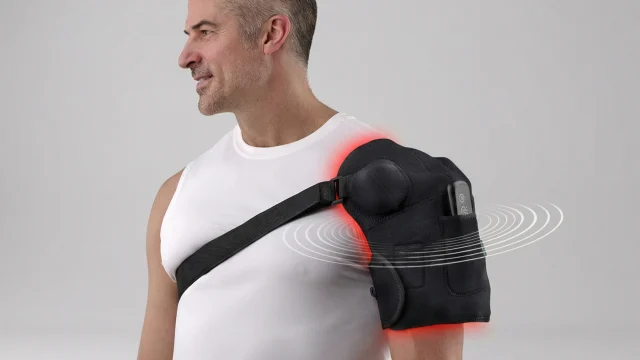
While there’s no magic pill that can make all these nasties go away, proper support and alignment can help - and it can be as routine as the unnoticed repetitive motions that caused all the problems in the first place. What you wear can fight wear and tear.
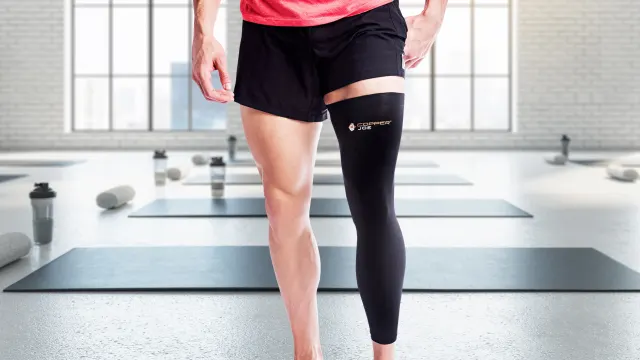
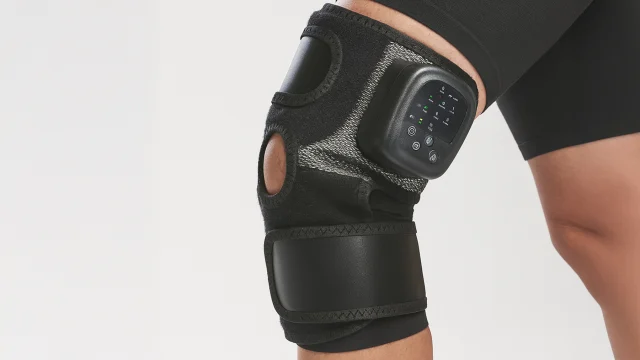
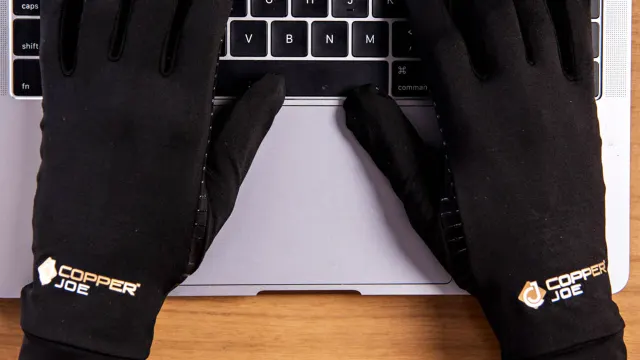
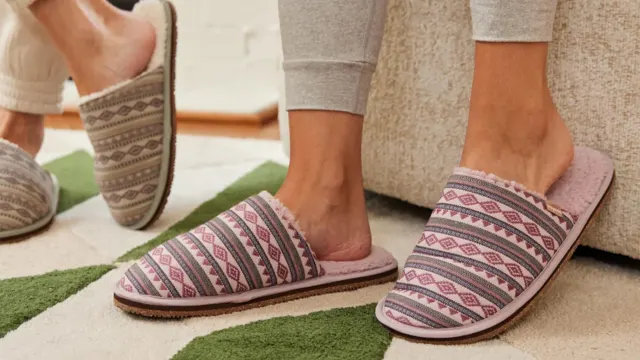
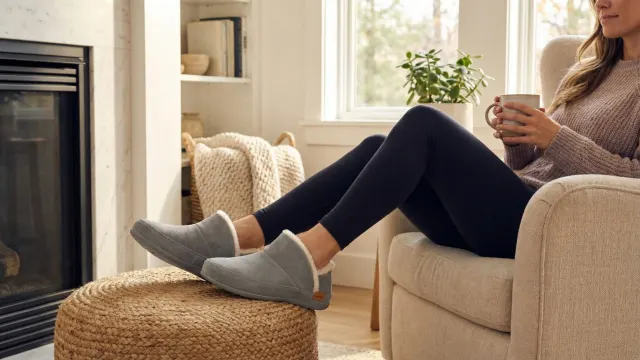
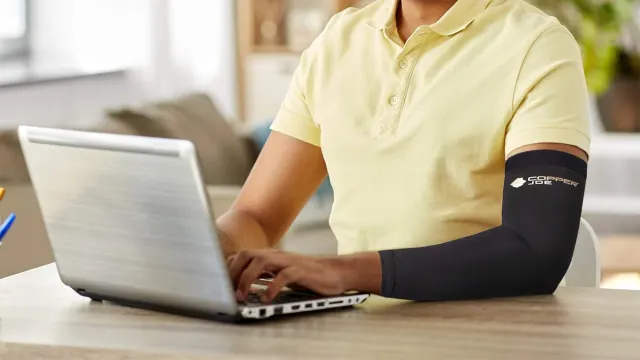
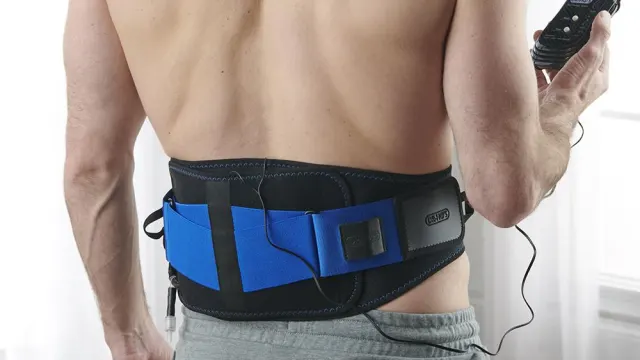
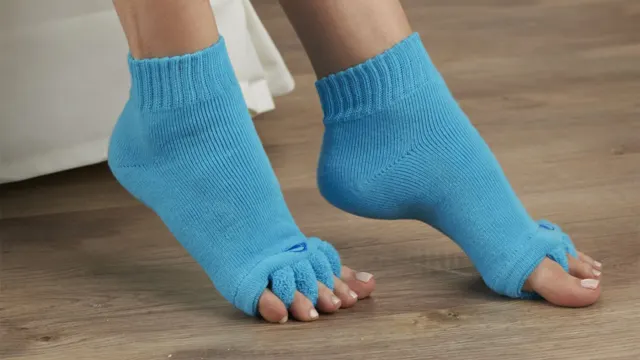
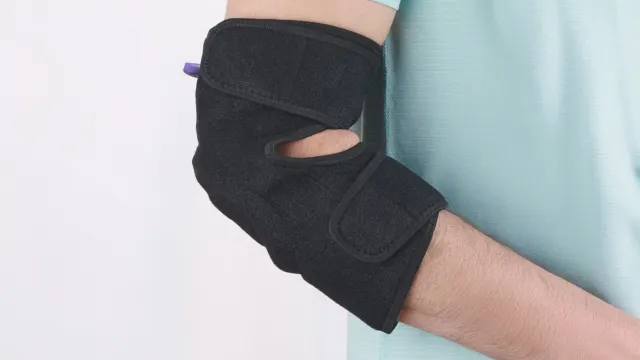
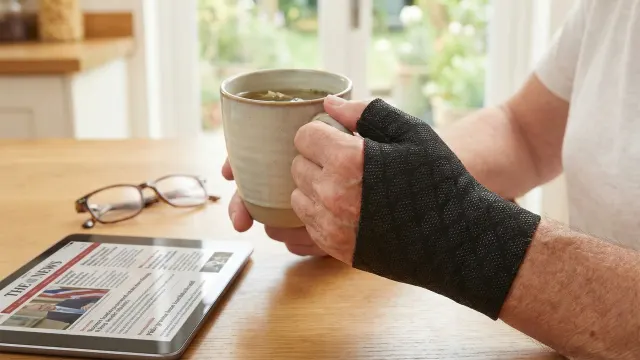
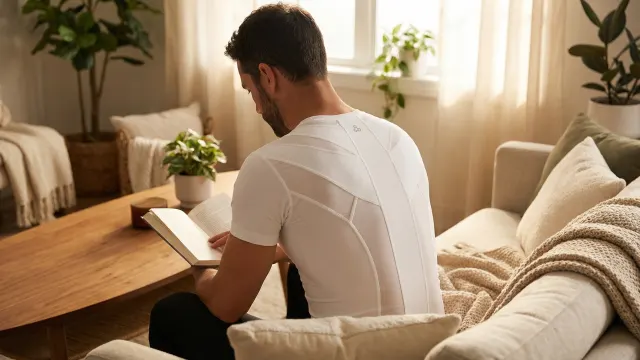
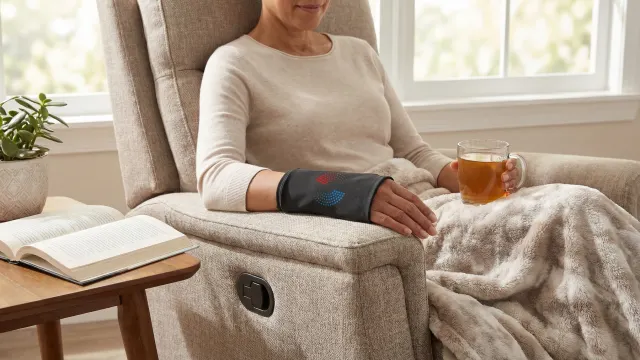
A posture-correcting neuroband shirt can supply gentle resistance to encourage specific muscle groups and align the spine. Socks with built-in toe dividers can ease chronic ailments like plantar fasciitis. Special sleeves and gloves can supply compression and heat for relief from arthritis in the hands and wrists.
In tandem with treatment from medical professionals, “wearapeutic” gear like this can provide easy, consistent support for alleviating the most common discomforts of time and repetition. After all, who among us couldn’t stand to “restore the Spring of the Parts”?